A widow’s peak can make wearing a hair topper a little more complicated than expected. Many women find the front edge of a hair topper does not lie naturally, especially at the center of the hairline.
It may look perfectly fine from the sides yet still feel slightly noticeable at the front under certain lighting and angles. More often than not, the problem isn’t the topper itself. It comes down to picking the right front design and mastering how to blend it with your natural hairline.
The good news is a few simple tweaks can make all the difference.
1. Choose a smaller base size
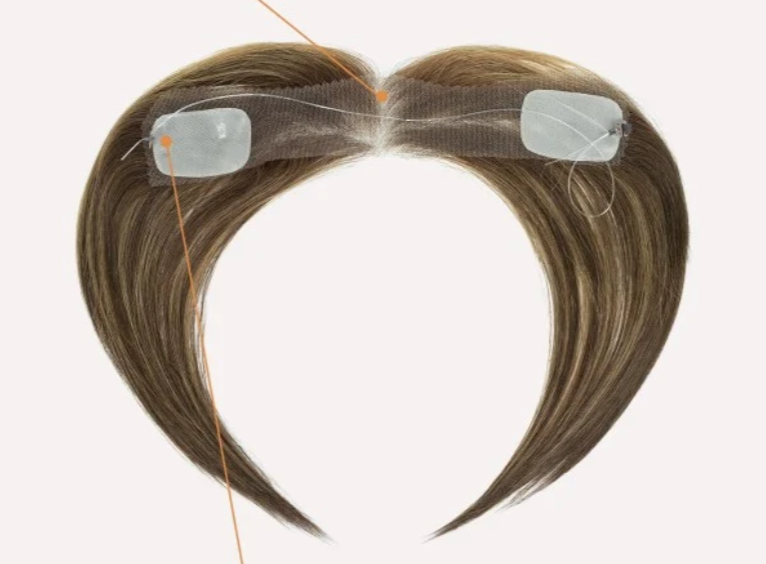
One of the biggest mistakes people make with a widow’s peak is choosing a topper base that is too large.
A larger base can cover too much of the natural hairline and make the front edge easier to notice. Smaller lace front pieces usually blend more naturally because they leave more of the original hairline visible.
This is especially important around the center of the forehead, where the widow’s peak naturally creates more shape.
For a lot of people, a smaller front lace piece ends up looking softer and less bulky overall.
2. Let Some Natural Hairline Show
Trying to completely hide the widow’s peak usually makes the top look more obvious.
Instead, it often looks better to work with the natural hairline instead of covering all of it. Leaving out a small amount of natural hair near the front can help soften the transition between the topper and the scalp.
Even a few strands around the hairline can make everything blend together more naturally.
This is one reason lace front pieces tend to work well for widow’s peaks. The front edge looks softer against the skin and does not stop as abruptly as thicker bases sometimes do.
Pieces like the Full Lace Human Hair Hairline Topper usually work well for this because the smaller lace area lays flatter and follows the shape of the hairline more naturally.
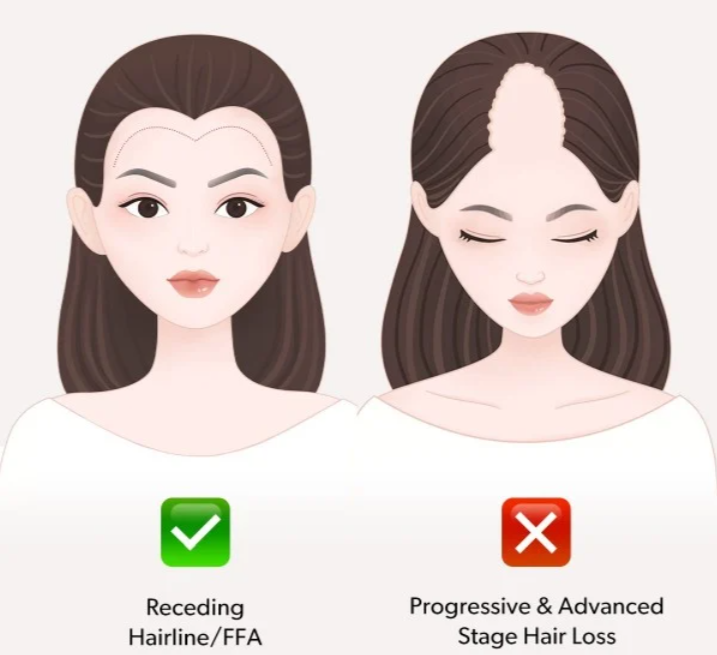
3. Avoid Heavy Front Density
Another thing that can make a topper stand out is too much density near the front.
When the front hairline suddenly looks much thicker than the surrounding natural hair, the blend becomes easier to notice. Softer density usually looks much more realistic, especially around a widow’s peak.
A light, airy front creates a better transition and helps the topper move more naturally with the rest of the hair.
Here is a quick comparison:
| Heavier Front Density | Lighter Front Density |
| More noticeable hairline | Softer blend |
| Can look bulky near the front | Looks flatter and more natural |
| Better for dramatic volume | Better for realistic everyday wear |
4. Position Topper Slightly Back
A lot of people place the topper too close to the forehead when trying to hide the widow’s peak.
Usually, moving the piece slightly farther back creates a much more natural result. It gives the lace room to blend while still keeping the overall hairline soft.
Once the topper is positioned correctly, the front tends to look much less harsh.
Small placement changes honestly make a bigger difference than most people expect.
5. Use Simple Blending Tricks
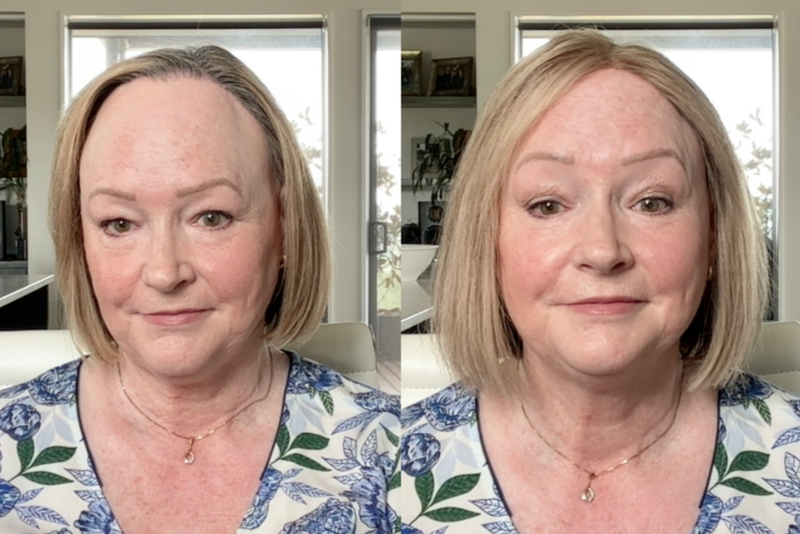
The final blend often comes down to tiny finishing details.
A few things that usually help:
- Add a little root powder near the front
- Use light heat to shape face-framing pieces.
- Keep the front slightly textured instead of perfectly flat
- Avoid pulling all the hair tightly away from the face.
Most seamless-looking toppers are not actually perfect up close. They just blend naturally enough that nothing catches attention.
Final Thoughts
Wearing a topper with a widow’s peak is usually less about hiding the hairline and more about working with its natural shape.
Smaller lace front pieces, softer density, and a little natural hair left out around the front often create the most realistic result. In many cases, lighter coverage actually blends better than trying to cover everything completely.
It can take a little experimenting at first, but once the base size and placement start working with your hairline instead of against it, the overall look becomes much more natural and comfortable to wear every day.